
When Winter Brings Fire: Prescribed Burning on the Mid Klamath
It’s January on the Mid Klamath. The days are short, the nights are cold. It is not yet the halfway point in a wet season that averages nearly 60 inches of precipitation a year; yet it is time to burn.
You might not set your clock by it, but often this time of year there are one or more dry weather windows when a persistent upper-level ridge sets up: the winds blow cold and dry from the east, and nights are clear and crisp. After a few days of this, you will find certain people (MKWC Fire and Forestry employees included) standing in sunny parts of the forest crunching leaves or pine needles in their fingers and staring ponderously at the surrounding ridgetops, trying to gauge when the sun dips behind them. If this weather pattern holds, there should be fire on the ground and smoke in the air as folks take advantage of one of our best opportunities to put beneficial fire on the ground.
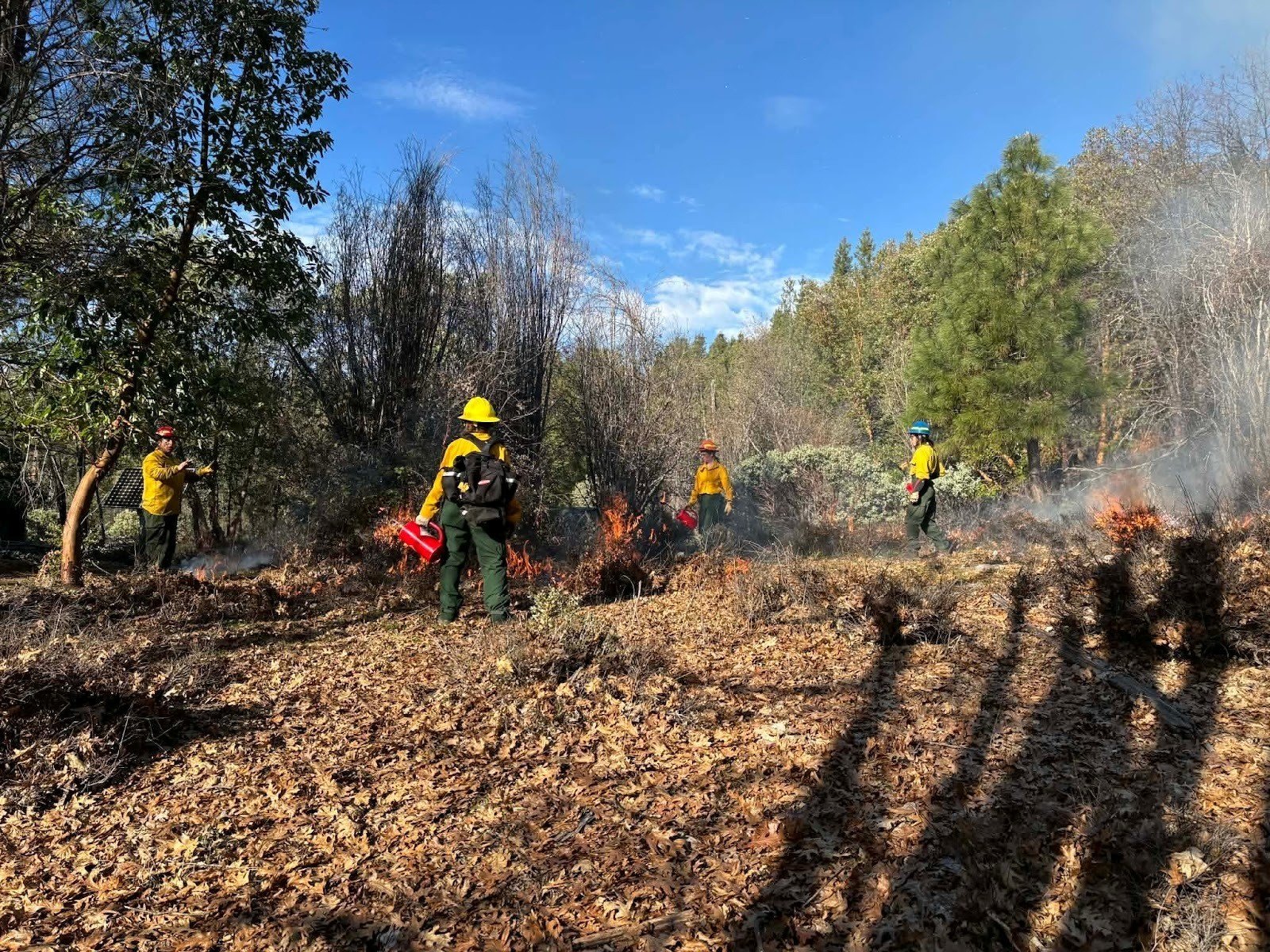
(Fig. 1) Codie Donahue takes the opportunity to mentor his firing crew as fire moves through open oak litter and shrubs near Forks of Salmon.
This year, when a winter burn window opened up in mid-January, MKWC Fire and Forestry was ready. Working with partners, local landowners, CAL FIRE and Air Quality Management Districts ahead of time, we had a plan in place to burn in some of our drier, sunnier project areas. In partnership with Karuk Department of Natural Resources, Salmon River Restoration Council (SRRC), Humboldt Prescribed Burn Association, Cultural Fire Management Council, and community volunteers, we put fire on the ground on multiple land parcels, from the South Fork of the Salmon River (Fig. 1 & 2) to the Irving Creek area upriver of Somes Bar.
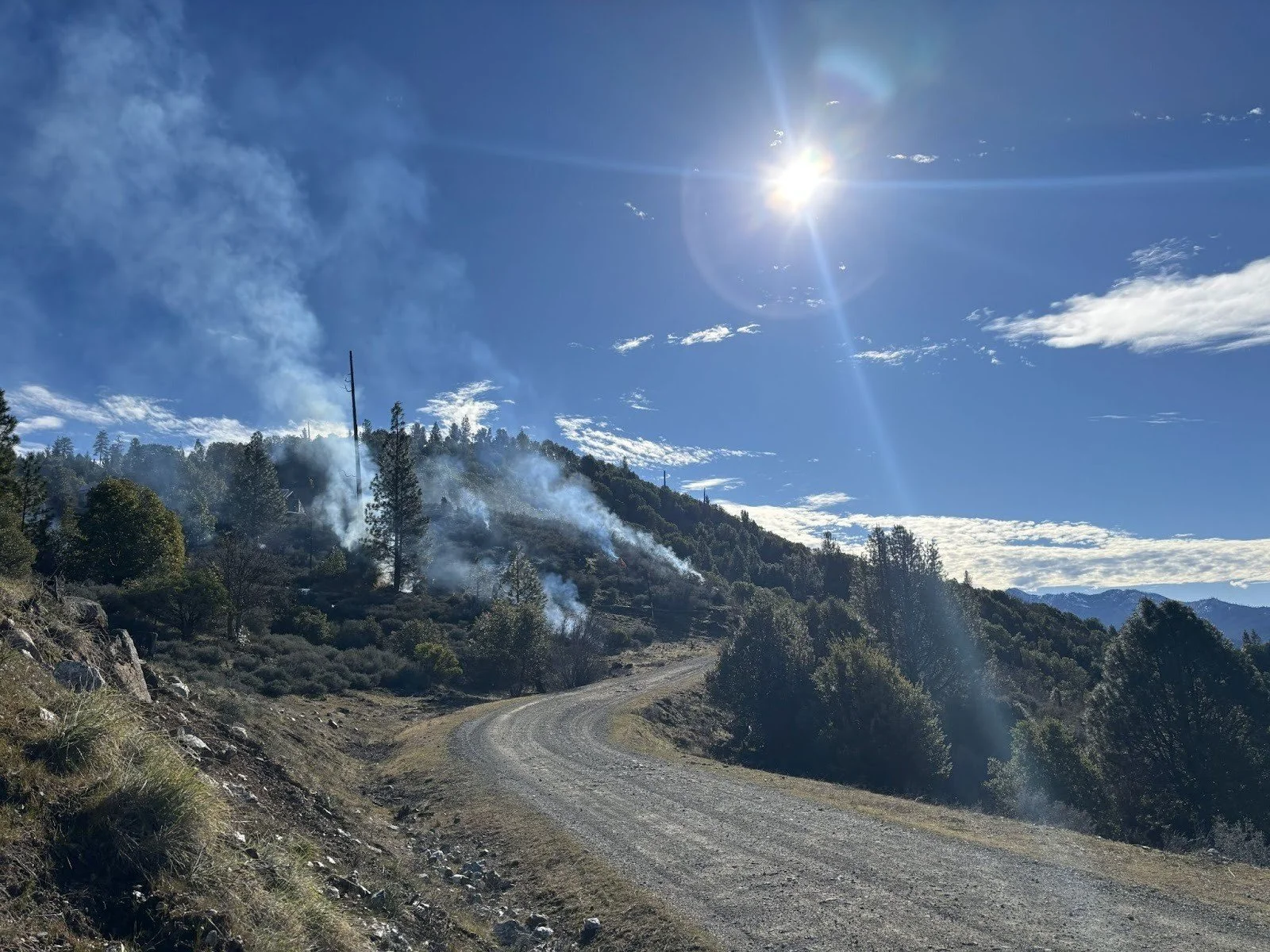
(Fig. 2) Pockets of whitethorn burning near Forks of Salmon.
This winter window is generally a time when fire is gentle in its application, allowing us to put fire on the ground in areas that might burn too hot or have undesirable ecological effects during other seasons. The gentleness and generally slower pace of winter burning creates a great opportunity for training new fire practitioners of all ages (Fig. 3).
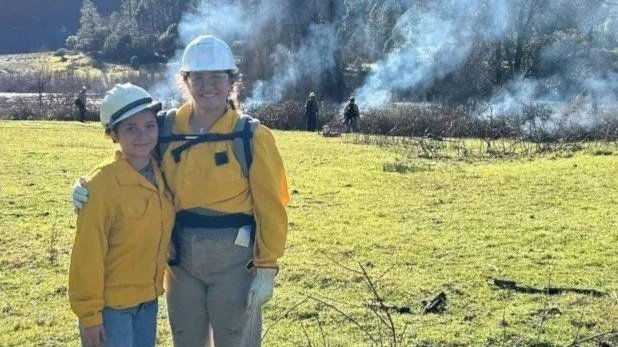
(Fig. 3) Training new fire practitioners as we burn near Ike’s Creek along the Klamath River.
On some of our Salmon River projects, planned by SRRC with MKWC support, winter is the ideal time to begin restoring fire as a landscape process by reducing fuels below white oak communities before the trees break dormancy. On other projects, burning specific areas of more volatile vegetation, like decadent blackberry thickets or stands of dead willow, sets us up for safer future burns conducted when it is hotter and drier.
At the time of this writing, the winter burn window is still open. Keep your eyes and nose out for more smoke in the air!