The Klamath-Siskiyou Outdoor School is a cost free overnight camp for youth in the Mid Klamath area. The camp involves local youth, ages 11-14, in hands-on natural resource restoration and monitoring activities during rafting and backpacking trips. Students learn about the natural history and ecology of the Klamath area from camp counselors and special presenters. In addition, students participate in outdoor recreational activities such as kayaking and stand-up paddle boarding. Junior counselors, who were campers in previous years, are given the opportunity to improve and practice their leadership skills. KSOS aims to inspire the next generation of environmental stewards, while providing a platform for building self-confidence and strong relationships.
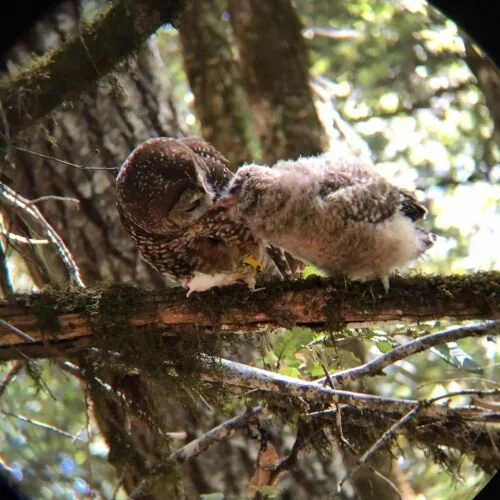
The NSO calls the Pacific Northwest home, where it is considered a keystone species and is currently listed under the Endangered Species Act as ‘threatened.’ Loss of habitat over the past century, and, more recently, the invasion of the Barred Owl (Strix varia) from the East have led to a sharp decline in the population of this splendid raptor.
…Most westerners are unaware of prehistoric extreme climate events that complete the regions long-term climate pattern. During millennia, climate has often varied by extremes in the American West. Close examination of the evidence suggests that the benign past century and half have not prepared us adequately for what could come in the future
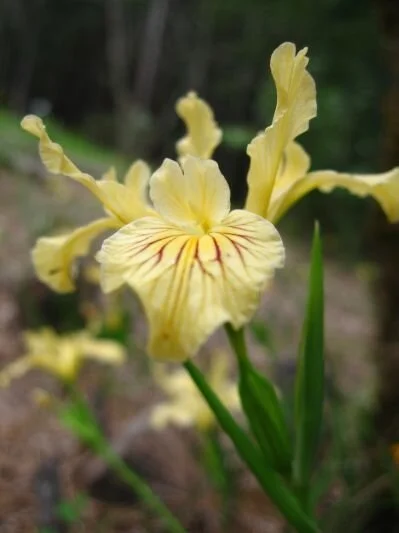
Iris tenax ssp. klamathensis is an example of an endemic plant. Endemism is when an organism has a restricted range, found in only one region and not outside of that location. The Klamath Siskiyou biogregion is home to many endemic species because of its unique geography. And to me, the Orleans Iris is the flower shaped shining star that reminds me how special this place we live really is.
Every year, I hear people asking and concerned about the foam they see on the Klamath. They want to know if it’s toxic, something to stay away from, why don’t they see it on other local rivers, will it kill my dog? As it turns out, these are pretty good questions. And they’re probably questions I can’t answer – completely.
After another dry January, I felt giddy as the Klamath River started rising in February. I compared stories with friends about which house-sized rocks were quickly going underwater. I feel this excitement was warranted because when all was said and done, the flows were three times higher than the highest flows last year (which were dismal.)
Last August 4, a handful of local firefighters were gathered at the Pigeon Shoot, a rickety wooden platform built atop a rock outcrop on a knife edge ridge just east of the Rainbow Mine, the first private property to be threatened by the White’s Fire. Located in the headwaters of the North Fork Salmon River in the east side of the Middle Klamath River watershed, this fire spread rapidly through forests where fires had been effectively excluded since fire suppression was invented over a century before.